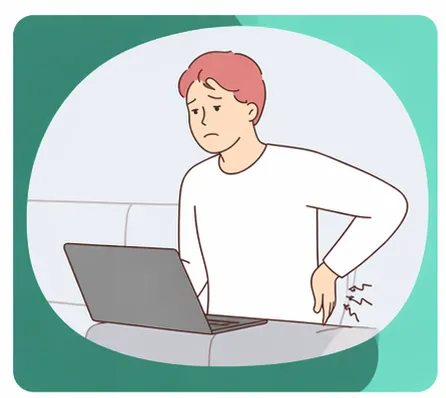
What to Expect at Physiotherapy: First Appointment Explained
What Happens at a physio appointment?
If you’ve never been to physiotherapy before, it’s normal to wonder what actually happens during a session.

A physiotherapy appointment usually begins with a detailed assessment. Your physiotherapist will ask about your symptoms, when they started, and what makes them better or worse.
They will take time to build a full history of your current condition before any treatment is carried out. This step is essential, as it helps the physiotherapist decide which treatments are most appropriate for your specific problem—and which should be avoided.
For example, a treatment such as acupuncture or dry needling may be suitable for some patients, but not appropriate for others depending on their medical history.

At Newcastle Physio Solutions, we often see how important this step is in practice. For instance, a patient attended the clinic with back pain where acupuncture was being considered as a potential treatment option. However, after a thorough assessment, our Senior Physiotherapist identified that the patient was taking blood-thinning medication. In this case, acupuncture would not have been appropriate, and the treatment plan was safely adapted to suit the patient’s needs. This highlights why a detailed assessment is always carried out before treatment begins.
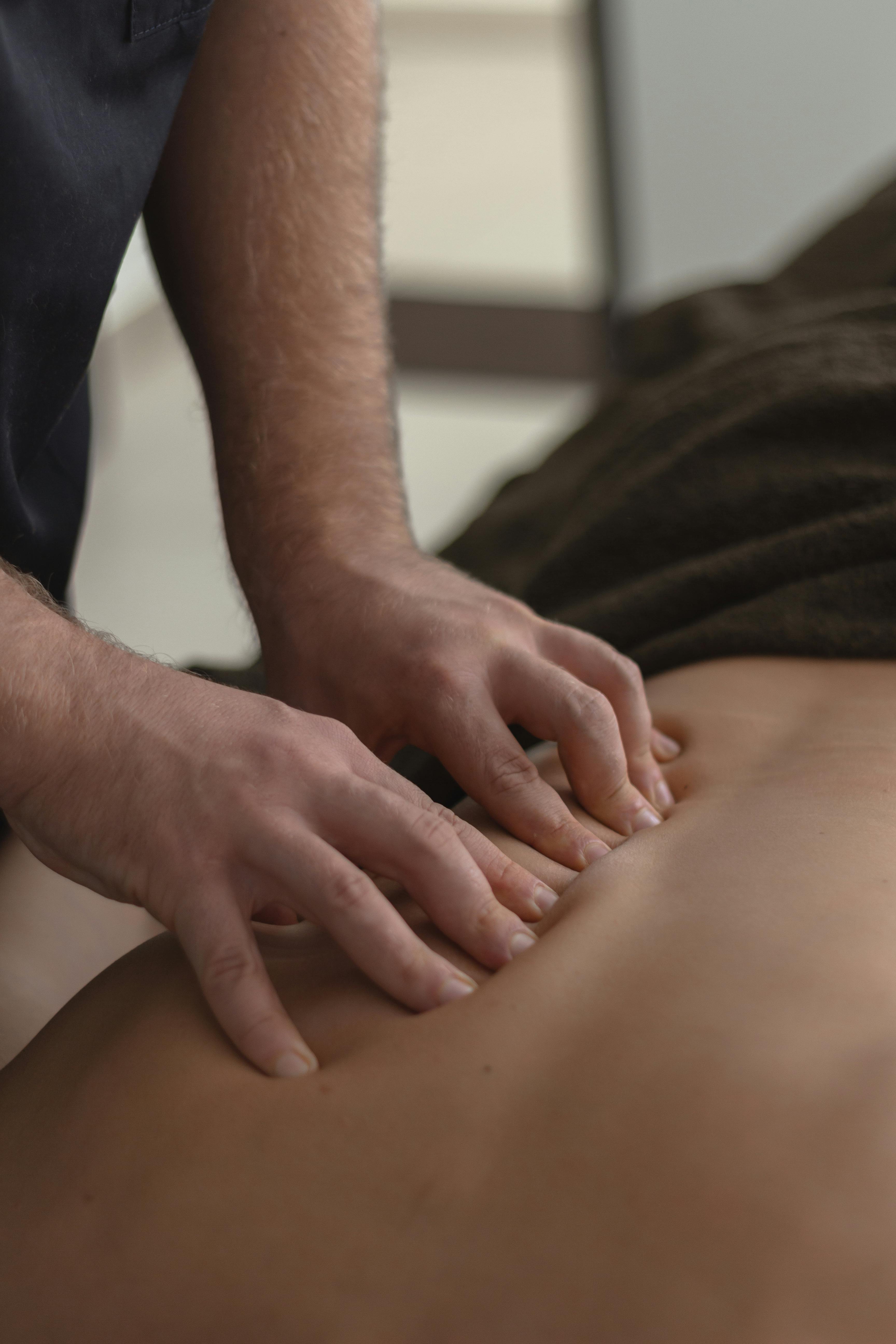
Following the initial discussion, your physiotherapist will assess your movement, posture, strength, and flexibility. This helps identify the underlying cause of the problem rather than just focusing on the area of pain.
They may also use their hands to examine the affected area or provide hands-on treatment such as massage or joint mobilisation, if appropriate. However, this will only be done with your consent. You should never feel pressured or uncomfortable during any part of your treatment. If anything feels uncomfortable or too painful, it is important to let your physiotherapist know so they can adjust their approach.
After the assessment, you will usually be given a clear explanation or diagnosis of your condition, along with a personalised treatment plan. This may include specific exercises, manual therapy, and advice on how to manage your symptoms at home.
Following your physiotherapist’s advice and completing your exercises is one of the most effective ways to speed up recovery and improve long-term results.
Most importantly, you should leave your appointment with a clear understanding of what is causing your pain and what steps you need to take next.
Physiotherapy is focused on helping you understand your condition, reduce pain, and restore normal movement as efficiently and safely as possible
If you're interested in starting your recovery towards a happier, pain free life, click the link below to book your assessment with our physio.